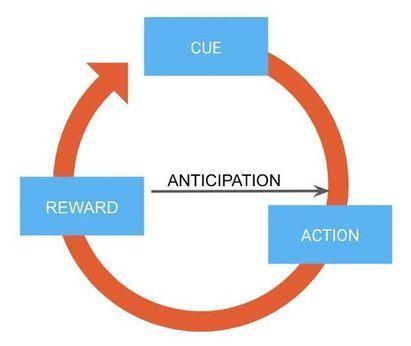
To get young people into sport and PA we usually start with ‘why’. However, Jay Coakley, the father of sport sociology suggests that if we want to understand how to set young people up for a lifetime of PA, we should look to, and learn from the experiences of active adults when they were young. However, there’s a paradox here that continues to trip us up and it plays out like this...a young person has positive experiences in sport/PA. This grows into a passion. The passion might lead to pursuing a sport related degree and the most common of these is sport science. Sport science is a common first degree for people who go on to teach PE. Equipped with deep knowledge about the scientific benefits of physical activity the now qualified teacher believes that it is via rational persuasion that an individual will get into the very thing that the teacher is into. This logic is flawed and ignores the emotional attachment that got the teacher into sport/PA in the first place. As such, we lose the soul of our subject. Rationality, objectivity, science does not shape behaviour. Feeling connected to people, places, activities does. So in this blog I’ll explore what we can learn from the behaviour science of habit formation that can help us support students more effectively.